
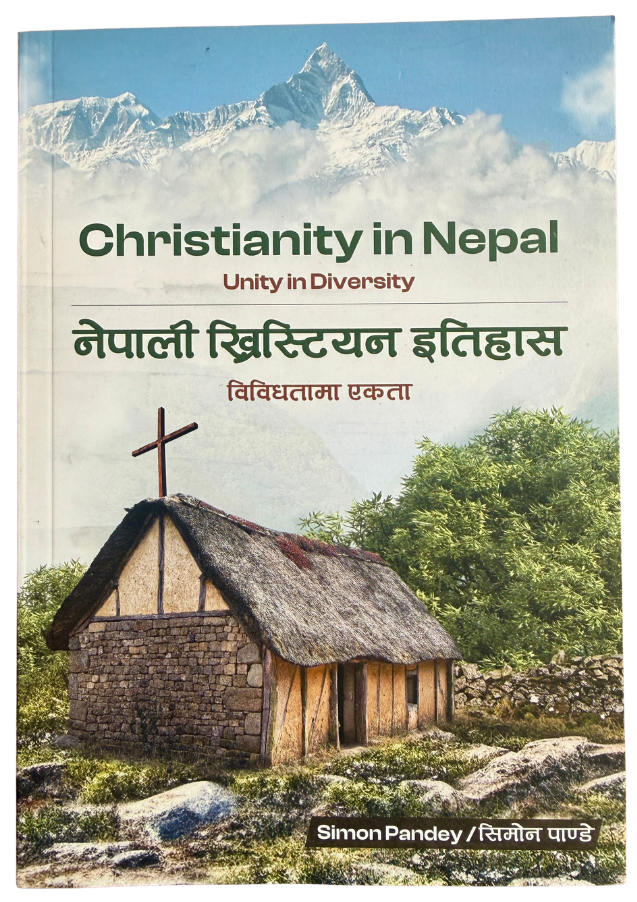
<ul data-path-to-node="2"> <li> <p data-path-to-node="2,0,0">Nepal is home to over 120 ethnic and caste groups. Pandey highlights that the Nepali church is one of the few national spaces where indigenous Janajatis (such as Rai, Limbu, Tamang, Magar), Dalits, and higher-caste Brahmin/Chhetri communities worship together as spiritual equals, breaking deep-seated traditional caste and social hierarchies.</p> </li> <li> <p data-path-to-node="2,1,0"><strong data-path-to-node="2,1,0" data-index-in-node="0">Interdenominational Fellowship:</strong></p> <p data-path-to-node="2,1,0">Because Christianity took root largely in the mid-20th century under restrictive conditions and legal bans, believers could not afford sectarian division. Pandey emphasizes that survival and growth required mutual support across traditional denominational boundaries (Baptists, Assemblies of God, Presbyterian, independent charismatic fellowships), fostering a naturally ecumenical spirit.</p> </li> <li> <p data-path-to-node="2,2,0"><strong data-path-to-node="2,2,0" data-index-in-node="0">Indigenous Identity and Shared Worship:</strong></p> <p data-path-to-node="2,2,0">Pandey underscores that unity does not mean uniformity. Rather than adopting Western liturgical forms wholesale, local congregations integrate Nepali folk music (using instruments like the <em data-path-to-node="2,2,0" data-index-in-node="229">madal</em> and traditional tunes), local dialects, and contextual customs, celebrating diverse cultural expressions unified by a common faith.</p> </li> <li> <p data-path-to-node="2,3,0"><strong data-path-to-node="2,3,0" data-index-in-node="0">Solidarity Amid Persecution and Social Challenges:</strong></p> <p data-path-to-node="2,3,0">Historical persecution, legal restrictions on conversion, and social ostracism served as unifying forces. Pandey often notes that external pressures compelled diverse groups to stand together as one body for advocacy, religious rights, and community welfare during national crises (such as the 2015 earthquake).</p> </li> </ul> <p data-path-to-node="3">Simon Pandey describes the church in Nepal not as a monolithic institution, but as a living tapestry—where diverse ethnicities, languages, and theological traditions converge into a cohesive, supportive, and culturally grounded community.</p> <div class="attachment-container unknown"> </div>